
3D Hyper-Realism in Design: The Future of Visual Storytelling in 2025
In the evolving world of design, one trend is making a seismic impact—3D Hyper-Realism. This design style pushes visuals beyond flat graphics and minimal mockups, immersing audiences in lifelike, tactile, and sometimes surreal experiences. It’s no longer enough for brands to simply “look good”—in 2025, they must feel real.
From product marketing to UI/UX and branding, hyper-realism is not just a passing craze; it’s shaping how consumers interact with design on every platform.
What is 3D Hyper-Realism in Design?
Hyper-realism in 3D design refers to visuals that mimic real life with astonishing accuracy, often blurring the line between the physical and the digital. Think of textures that make you want to reach out and touch the screen, product renders that look like photography, or animated brand assets that feel alive.
Unlike traditional 3D, which leans on stylized aesthetics, hyper-realism focuses on minute details—light reflections, material imperfections, and atmospheric depth. This creates an immersive storytelling experience that static 2D graphics simply can’t achieve.
Why 3D Hyper-Realism is Trending in 2025
Several factors explain why hyper-realistic design has exploded in popularity:
- Rise of Immersive Marketing: Brands are competing for attention in overcrowded digital spaces. A photorealistic pizza ad or a hyper-real furniture render stands out instantly.
- Advances in Technology: With tools like Blender (dofollow), Octane Render, and Unreal Engine, high-quality 3D rendering is more accessible than ever.
- Consumer Expectations: Today’s audiences—especially Gen Z—are visually literate and demand richer, more engaging design experiences.
- Crossover with AR/VR: Hyper-realism fits seamlessly into immersive technologies like AR try-on apps and VR shopping.
Real-World Applications
- Product Marketing
Brands like Apple use hyper-realistic 3D renders in campaigns long before the actual product hits the shelves. A smartphone render can show intricate material textures, lighting, and angles that traditional photography struggles to capture. - Food & Beverage Industry
Imagine a pizza menu where melted cheese stretches in slow motion. Animated hyper-real food visuals don’t just display a dish—they stimulate appetite. for examples of how food brands leverage it. - Architecture & Interior Design
Firms use hyper-realism to create virtual walkthroughs that are indistinguishable from reality. Clients can explore a property before a single brick is laid. - Entertainment & Gaming
Hyper-realism dominates the gaming industry, with titles pushing the boundaries of cinematic detail. Designers adapt these techniques to ads, films, and even web experiences.
Benefits of Hyper-Realistic Design
✅ Immersive Storytelling – Consumers don’t just see; they feel the brand.
✅ Emotional Engagement – Realistic textures, light, and movement create visceral responses.
✅ Cost Efficiency – No need for expensive studio shoots; renders can be iterated endlessly.
✅ Scalability – One asset can be reused across campaigns, AR experiences, and social platforms.
Challenges to Consider
⚠️ Time-Intensive – Achieving photoreal quality requires powerful hardware and rendering hours.
⚠️ Over-Saturation – As more brands adopt the trend, standing out requires originality, not just realism.
⚠️ Ethical Questions – At what point does hyper-real design mislead the audience (e.g., overly perfected food ads)?
Future of 3D Hyper-Realism
Looking forward, hyper-realism will merge deeper with AI-assisted design tools. Imagine prompting AI to build a realistic product mockup in seconds, while designers refine it for authenticity. Combined with AR and VR, hyper-realistic assets will soon power fully immersive shopping, learning, and entertainment experiences.
Brands who want to stay relevant in 2025 must understand this: design is no longer just visual—it’s experiential.
Final Thoughts
3D hyper-realism isn’t just a trend; it’s a revolution in how we experience design. For brands, it’s an opportunity to tell stories that resonate on a sensory level. For designers, it’s a challenge to balance technology, artistry, and authenticity.
At Estelle Studios, we see 3D hyper-realism as the next big leap in creative storytelling. It’s not about making things “look real”—it’s about making audiences feel something real
🔥 “Your brand deserves designs that inspire. Let’s make it happen!
📩 Reach us at estellestudios01@gmail.com | 🌐 Visit: www.estellestudios.in
3D Hyper-Realism in Design: Best in 2025
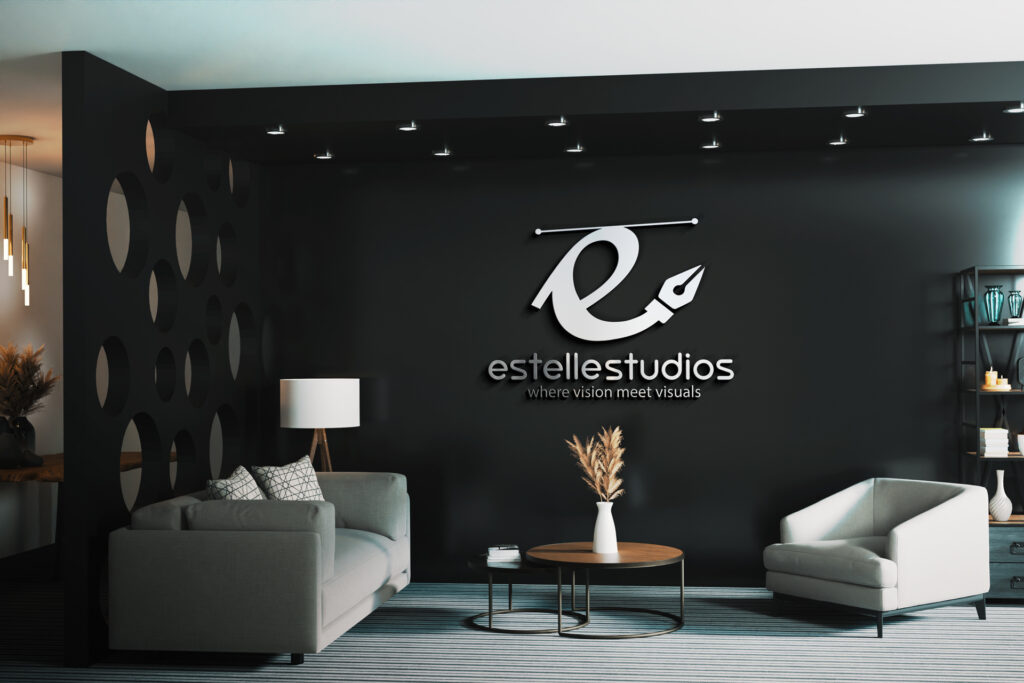
3D Hyper-Realism in Design: Best in 2025
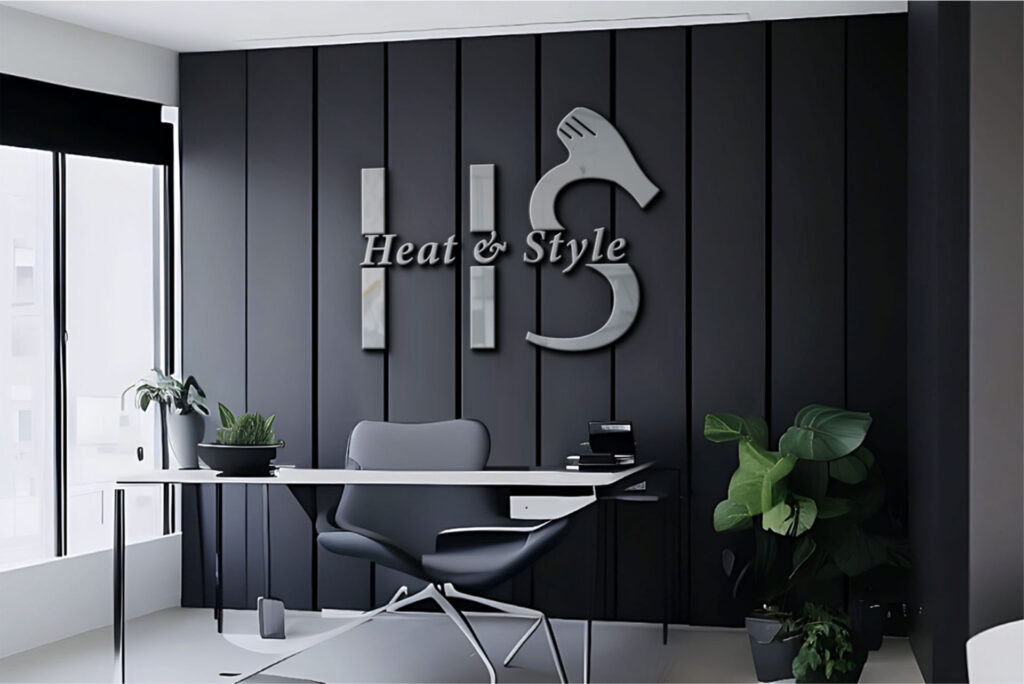
3D Hyper-Realism in Design: Best in 2025
3D Hyper-Realism in Design: Best in 2025
3D Hyper-Realism in Design: Best in 2025