
Revolutionary AI-Powered Design: The Future of Creativity in 2025 and Beyond
Introduction
The design world is shifting at lightning speed. What once required hours of sketching, revising, and prototyping can now be done in minutes with AI tools. But here’s the catch—AI is not here to replace designers. It’s here to supercharge creativity. In 2025, “AI-powered design” is more than just a buzzword; it’s a movement shaping branding, UI/UX, illustration, and even 3D art.
1. What is AI-Powered Design?
At its core, AI-powered design is the fusion of human creativity and machine intelligence. Tools like Midjourney, DALL·E, Adobe Firefly, and Runway allow designers to generate visuals, test layouts, and refine aesthetics faster than ever. Instead of starting from a blank canvas, designers can start from AI-generated drafts and build unique art from there.
2. Why is AI-Powered Design Trending in 2025?
- Time Efficiency: Designers are under pressure to deliver quicker. AI helps with instant mockups, ideation, and revisions.
- Accessibility: Even beginners can create pro-level designs with AI prompts, lowering the barrier to entry.
- Innovation Pressure: Brands want designs that are fresh, futuristic, and adaptive. AI provides inspiration that humans can refine.
- Industry Endorsements: Big players like Adobe and Canva have integrated AI into their platforms—mainstreaming it for millions of creatives.
3. Real-World Applications of AI in Design
- Graphic Design: AI suggesting color palettes, typography pairings, and brand guidelines.
- UX/UI Design: Tools predicting user behavior and generating layouts optimized for conversions.
- 3D Art & Animation: AI generating textures, lighting setups, and even rigged models—speeding up workflows.
- Branding & Marketing: Instant social media templates, logo variations, and ad creatives powered by AI.
Example: A startup can now have a logo, website mockup, and social post templates within 24 hours—all AI-assisted.
4. Benefits of AI-Powered Design
✅ Faster prototyping and iteration
✅ Expanded creative inspiration (AI suggests ideas designers wouldn’t normally think of)
✅ Cost savings for businesses and freelancers
✅ Democratization of design (non-designers can experiment)
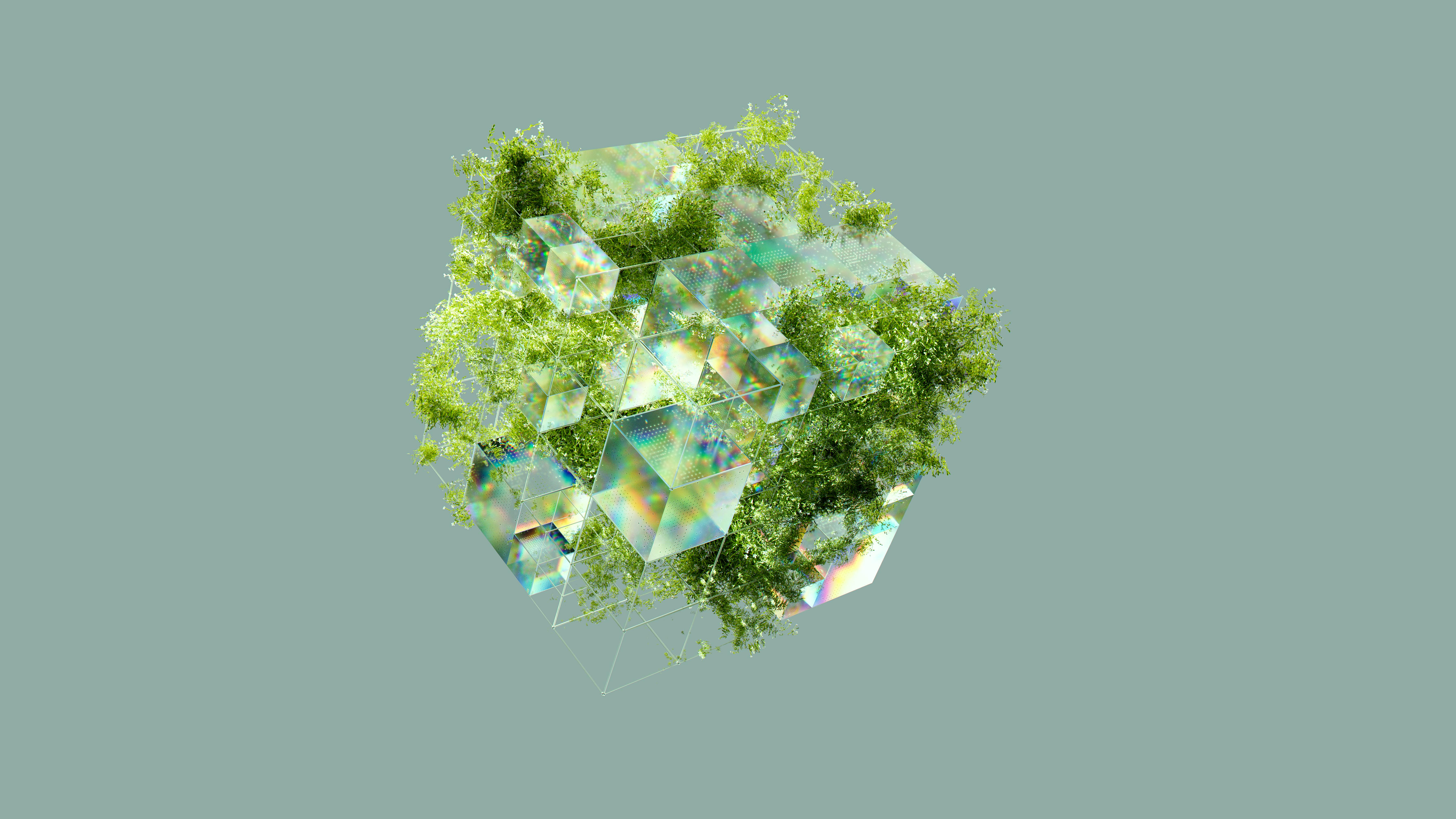
Photo by Google DeepMind from Pexels
5. The Drawbacks You Can’t Ignore
⚠️ Generic Output: Relying too much on AI can make designs look repetitive.
⚠️ Ethical Questions: Who owns an AI-generated design?
⚠️ Skill Erosion: New designers risk skipping fundamentals if they lean only on AI.
⚠️ Bias & Limitations: AI can reflect biases in the data it’s trained on, affecting inclusivity.
6. The Future of AI-Powered Design
- Hyper-personalization: AI that learns your unique design style.
- Sustainable Design: AI tools recommending eco-friendly packaging solutions.
- Real-time Collaboration: Imagine AI working live in brainstorming sessions, feeding suggestions as teams ideate.
- Co-Creation: Human designers will remain the storytellers, while AI will handle the execution speed.
7. What This Means for Designers
AI won’t steal your career—but designers who ignore it will get left behind. The real winners will be those who:
- Use AI to speed up mundane tasks.
- Add human emotion, strategy, and storytelling on top of AI-generated outputs.
- Position themselves as “AI-empowered creatives” instead of “traditional designers.”
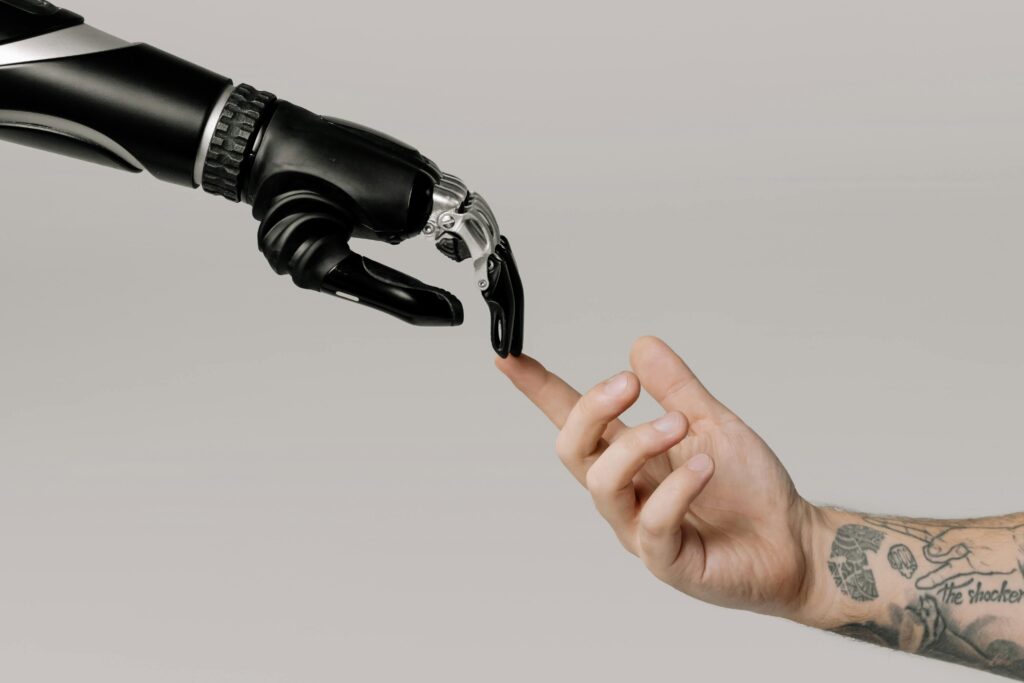
Photo by cottonbro studio
Conclusion
AI-powered design isn’t about machines replacing humans—it’s about elevating human creativity. In 2025 and beyond, the most successful designers will be those who strike the balance: leveraging AI as a tool while keeping their originality and storytelling at the forefront.
👉 Estelle Studios Says:
“At Estelle, we embrace AI not as a shortcut but as a collaborator. The future belongs to designers who can blend intuition, emotion, and technology into unforgettable brand experiences.”